Reports of SaaS's death are exaggerated. Demand for focused, affordable software is stronger than ever — and indie builders are in a better position than ever to serve it.
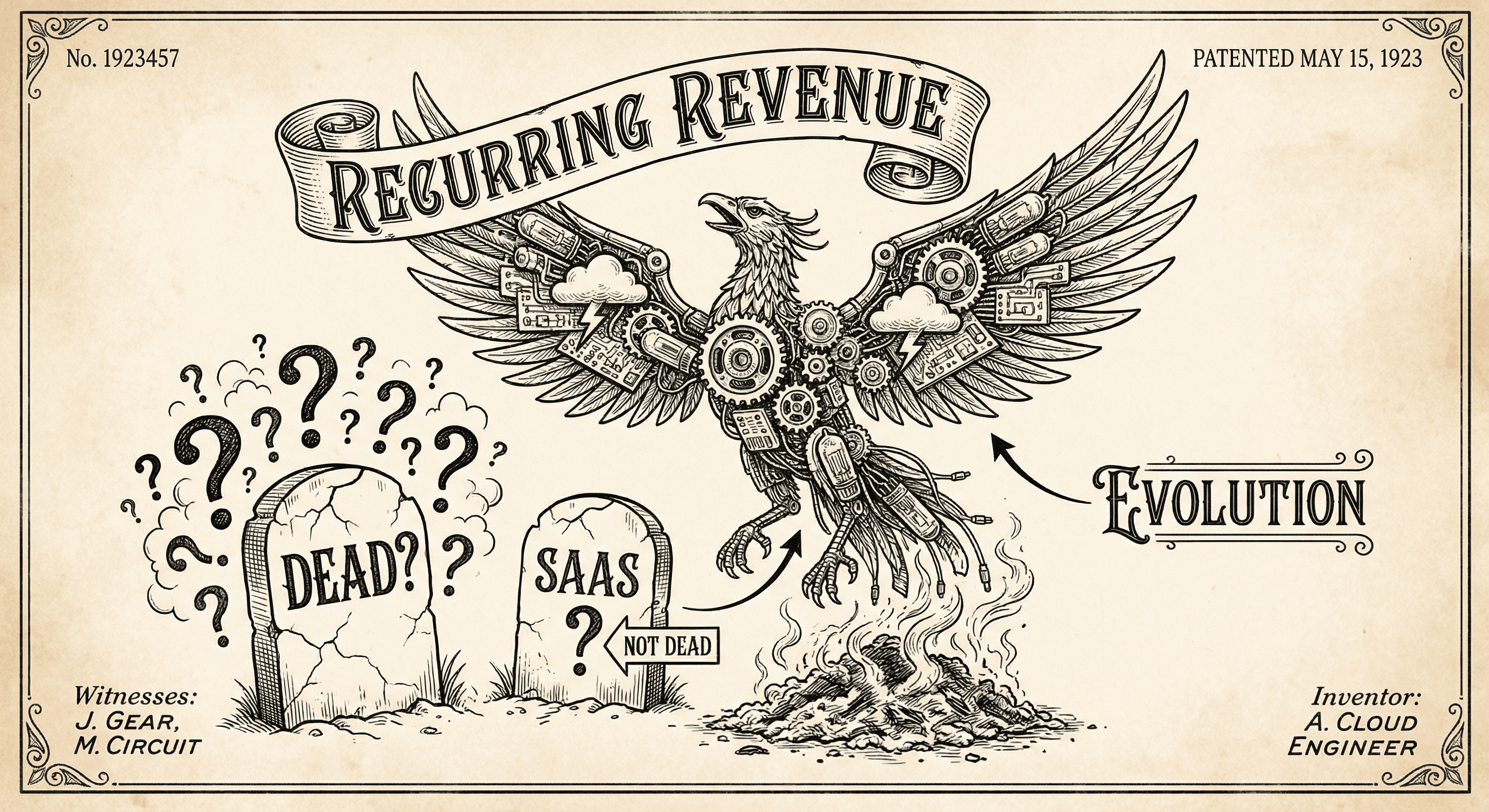
Every few years someone declares that SaaS is dead, that the market is saturated, or that only big players can win. And every time, new products still launch, find customers, and grow. The reason is simple: SaaS is not dead. The way people build and sell it has changed — and that change favors builders like you.
This post is for anyone who has hesitated because they have heard "there are too many apps" or "SaaS is over." Here is why the opportunity is still real and why now is a good time to build.
Businesses and individuals still need software to do their jobs, manage their work, and solve specific problems. What has changed is what they want:
That shift plays to the strengths of indie builders: you can build something narrow, price it fairly, and stay close to your users. You do not need to beat Salesforce; you need to serve a slice of the market better than the alternatives.
When people say the market is crowded, they often mean the generic market — project management, note-taking, CRM. But:
Your edge is not "another project management app." It is "the project management app for [specific type of user] that does [specific job] in [specific way]." The more specific you are, the less crowded it feels and the easier it is to be found and recommended.
A decade ago, building and distributing software required more capital, more infrastructure, and more gatekeepers. Today:
So the "SaaS is dead" narrative often ignores that the cost of building and reaching people has dropped. That does not mean every idea will work. It means the barrier to trying is lower and the chance to find a niche is real.
SaaS is not dead when:
So the question is not "Is SaaS dead?" The question is "Am I solving a real problem for a specific group, and will they stick around?" If yes, SaaS is very much alive for you.
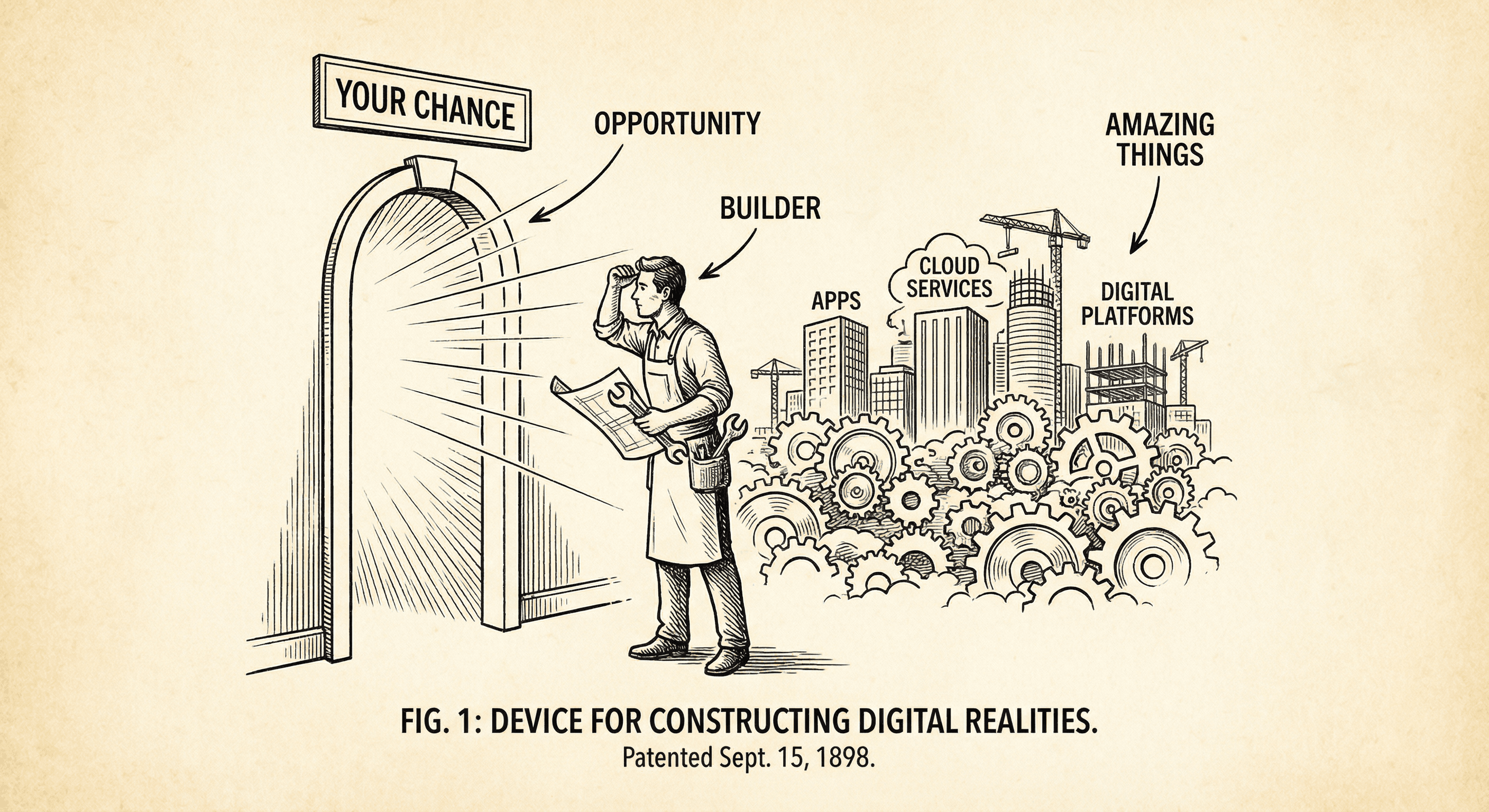
It is not too crowded. Most people will never ship. If you are willing to build, you are already in a small group. Here is why that is an opportunity, not a threat.
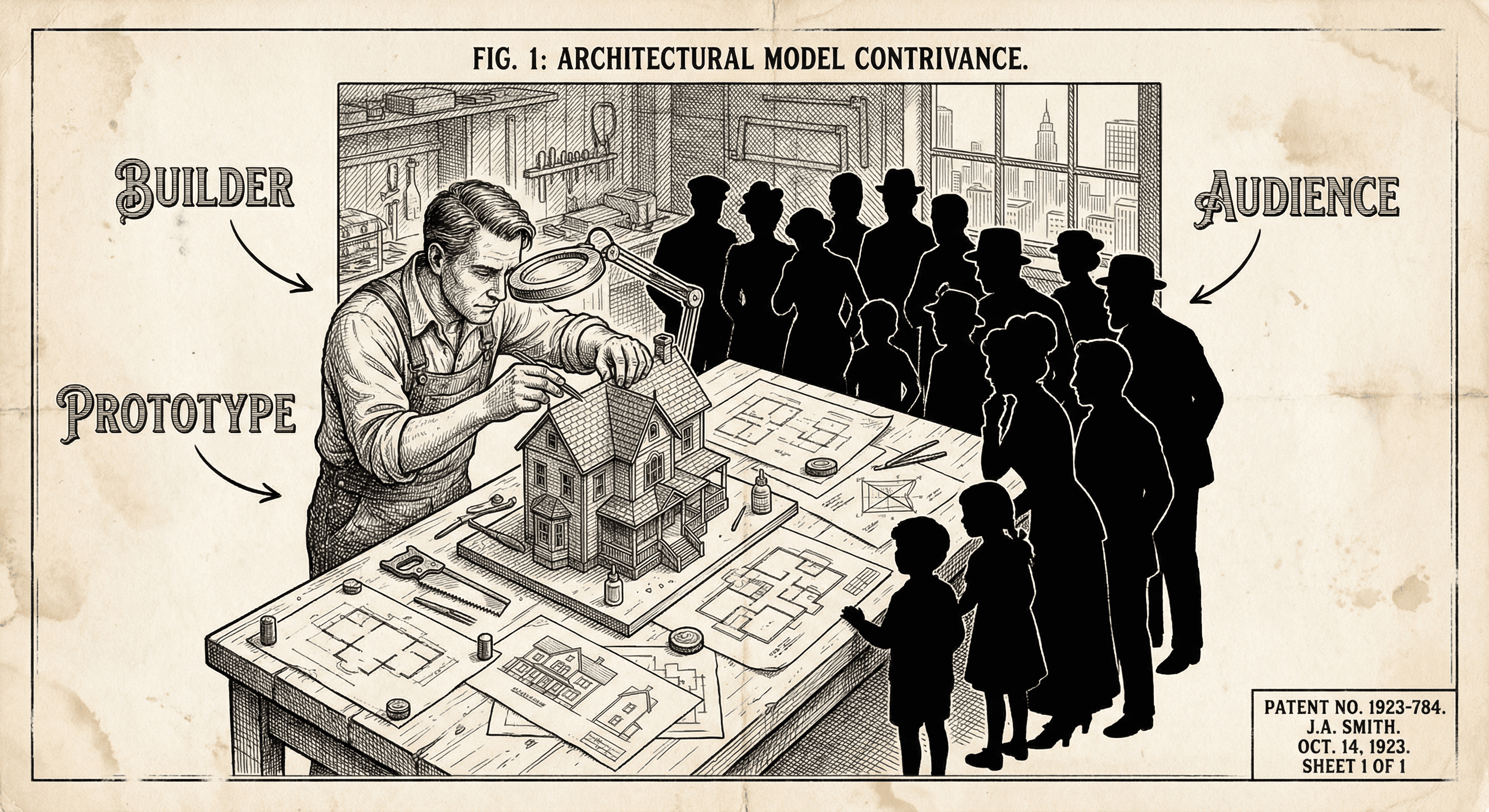
The best products often start with a builder solving their own problem. When you build for yourself, you have a built-in user, clear criteria for success, and a story others can feel.
