Copywriters already know how to persuade, clarify, and speak to users. Building an app is no longer only for developers. Here is how copywriters can ship real products — and why they should.
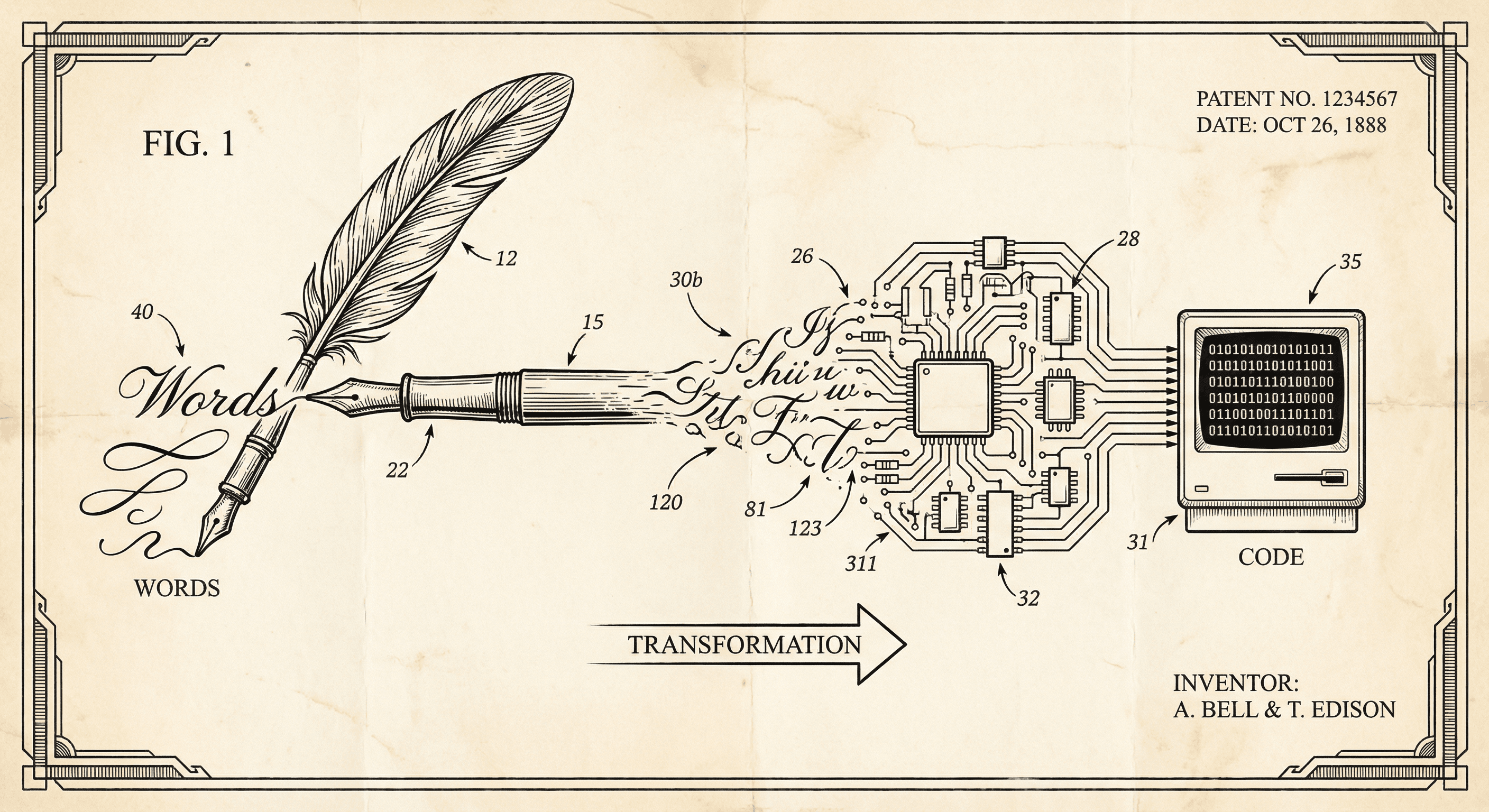
Can a copywriter build an app? Yes. Not by becoming a computer scientist, but by using the same skills you already have — clarity, persuasion, and structure — and combining them with templates and AI-assisted coding. The answer is yes because building an app in 2026 is as much about what you say and how the flow works as it is about writing raw code. Copywriters are already good at the first two. The rest is learnable.
You think in flows. Headline → lead → benefit → CTA is a flow. Sign up → onboarding → first action → success is a flow too. You are used to designing the path a person takes and the words at each step. That is exactly how you design an app: screen by screen, message by message.
You think in users. You ask who they are, what they want, and what will move them. That is product thinking. The app is just the place where that thinking gets implemented. You are not starting from zero; you are putting your craft into an interactive product.
You think in clarity. Bad copy is confusing. Bad apps are confusing. You already care about headlines, hierarchy, and "what do I do next?" — and that is what makes or breaks an app experience. The words in the product are not an afterthought; they are the product. You own that.
You can describe what you want. Vibe coding works when you can say "a form with name, email, and a message field; when they submit, show a thank-you message and send the data to the server." That is a spec in plain English. Copywriters write specs all the time — for ads, for landing pages, for emails. Describing an app flow is the same skill.
You are not writing low-level code from scratch. You are:
So "building" for a copywriter is: flow + copy + template + a bit of direction. You do not need to become a developer. You need to treat the app as a medium for your craft.
So: can a copywriter build an app? Yes. You build it with flow design and copy first, and you use a template and AI to handle the rest. The answer was always yes — the tools have just made it practical.
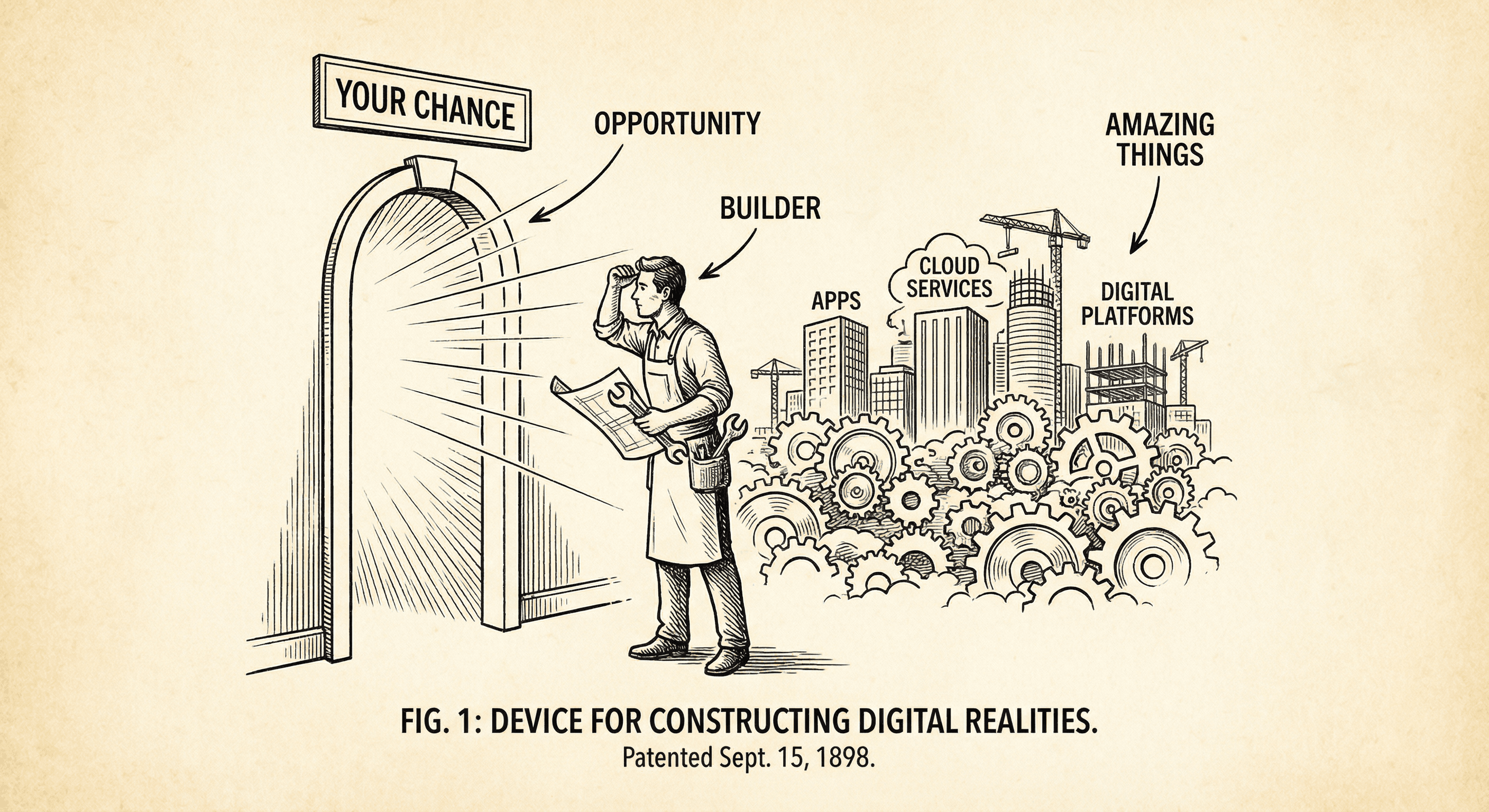
It is not too crowded. Most people will never ship. If you are willing to build, you are already in a small group. Here is why that is an opportunity, not a threat.
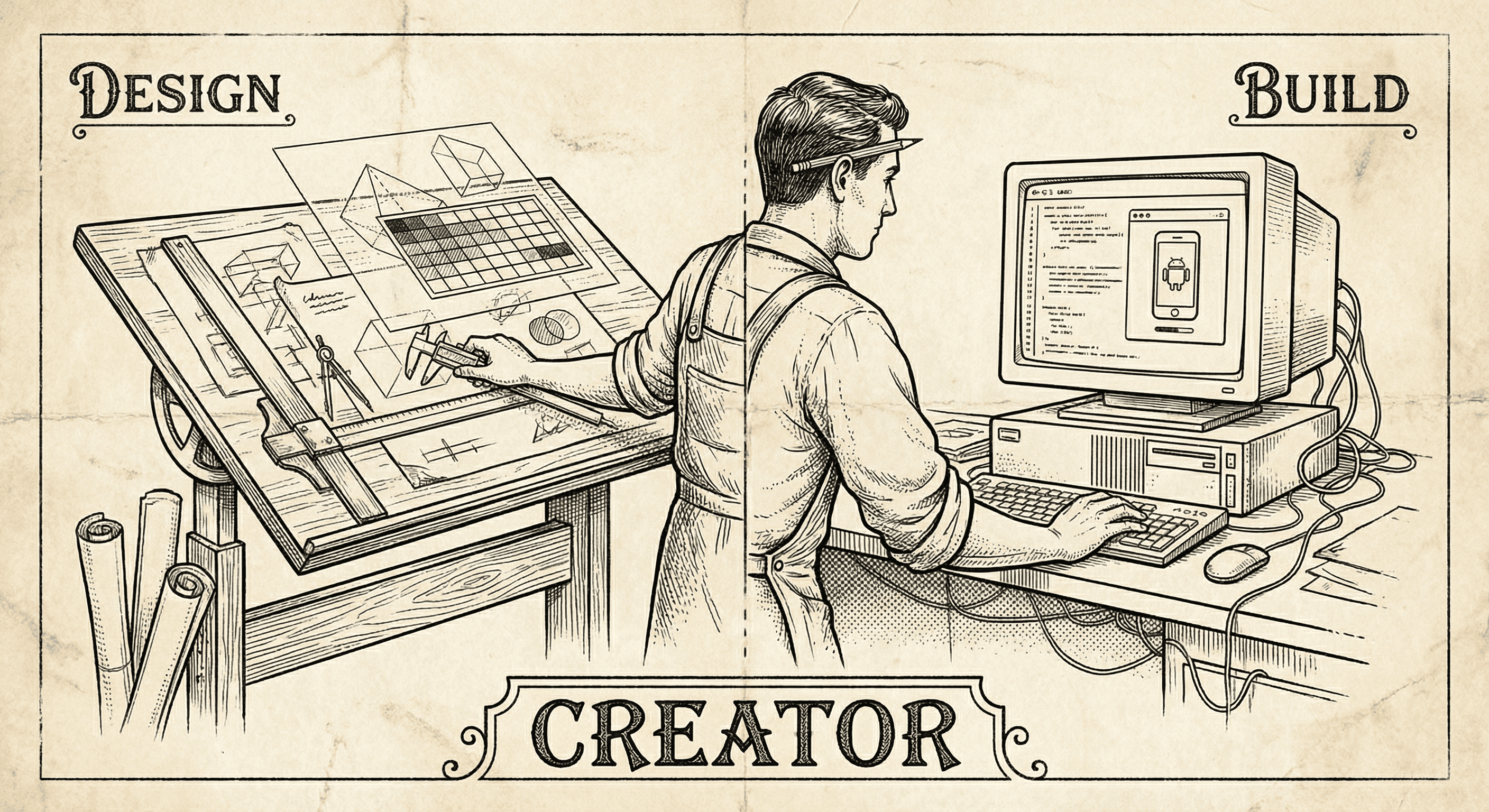
Designers have the taste, the empathy, and the vision. The missing piece is often the ability to ship. Here is why building — not just designing — is the next step, and how to start.
