Learn how search engines discover, understand, and rank your application — and the practical steps you can take to appear in search results from day one.
You have built something valuable. But value means nothing if people cannot find it. Search Engine Optimization — SEO — is the practice of making your product discoverable in search engines like Google.
SEO might sound like a dark art, but the fundamentals are surprisingly straightforward. At its core, good SEO is about helping search engines understand what your content is about and convincing them it is worth showing to searchers.
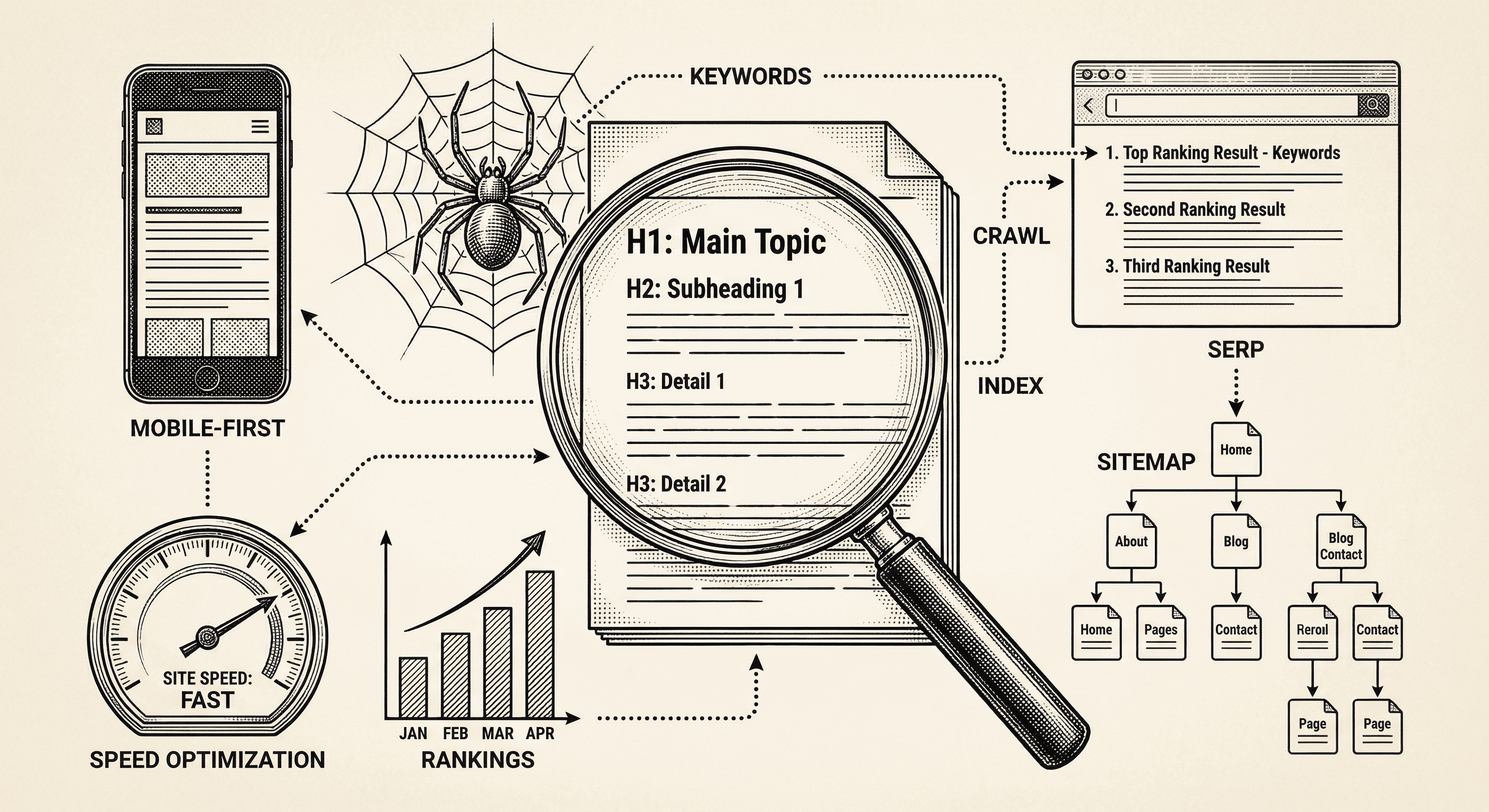
To optimize for search engines, you first need to understand what they do. The process has three stages:
Search engines use programs called "crawlers" (or "spiders") to discover content on the internet. These crawlers follow links from page to page, constantly exploring and discovering new content.
When a crawler visits your application, it reads the HTML of each page, follows links to other pages, and notes what it finds. It is like a librarian walking through every room in a library, reading every book title and noting where everything is.
After crawling your content, the search engine indexes it — stores it in a massive database with information about what each page is about, what keywords it contains, how it relates to other pages, and how authoritative it appears.
Think of indexing like the library catalog. The librarian has visited every room and now creates a structured record of every book, including its topic, author, location, and connections to other books.
When someone searches for something, the search engine sifts through its index to find the most relevant, highest-quality results. It uses hundreds of factors to decide the order — this is ranking.
The top results on the first page of Google get the vast majority of clicks. Research shows that the first result gets about 27% of clicks, the second gets about 15%, and by the tenth result, it drops to about 2.5%. Appearing on page two is effectively invisible.
On-page SEO refers to optimizations you make directly on your pages. These are the most impactful and the most within your control.
The title tag is the single most important on-page SEO element. It appears in:
Best practices:
Good examples:
Poor examples:
The meta description appears below the title in search results. It does not directly affect rankings, but a compelling description increases the chance someone clicks your result.
Best practices:
This template's SEO configuration (in lib/seo.config.ts) provides a framework for managing these tags.
Use headings (H1, H2, H3) to create a clear content hierarchy:
Search engines use headings to understand your content structure and determine what each section is about. A well-structured page with clear headings is easier for search engines to parse and rank.
Clean, descriptive URLs help both search engines and users:
/blog/seo-fundamentals/blog/post?id=47839This template uses clean URL routing by default. When creating new pages, use descriptive, hyphenated slugs.
Images need optimization for both performance and SEO:
project-dashboard.png is better than IMG_4832.pngTechnical SEO ensures search engines can crawl and index your site effectively.
Page speed is a ranking factor. Faster pages rank higher and provide better user experiences. Key metrics:
This template is optimized for speed out of the box — Next.js provides code splitting, image optimization, and server-side rendering that achieve excellent performance scores.
Google uses mobile-first indexing, meaning it primarily uses the mobile version of your content for ranking. Your application must work well on mobile devices.
This template is responsive by default, using Tailwind's responsive design utilities. Test your pages on mobile to ensure they remain usable and readable.
A sitemap is an XML file that lists all the pages on your site. It helps search engines discover and crawl your content efficiently.
This template includes a sitemap generator at app/sitemap.ts. Ensure it is updated as you add new pages.
The robots.txt file tells search engines which parts of your site they should and should not crawl. This template includes a default configuration at app/robots.ts.
Structured data (Schema.org markup) provides search engines with explicit information about your content — that a page is a blog post, that it was written by a specific author, that it was published on a specific date.
This can result in rich snippets in search results — enhanced displays with star ratings, dates, author photos, and other details that increase click-through rates.
Ultimately, the best SEO strategy is creating genuinely valuable content that answers real questions.
Keywords are the terms people type into search engines. Understanding what your target audience searches for helps you create content that matches their intent.
Simple keyword research process:
Search engines are sophisticated enough to evaluate content quality. Focus on:
Link between your own pages where relevant. Internal links help search engines discover new pages, understand how your content relates, and distribute ranking authority across your site.
When someone shares your page on social media, Open Graph tags determine what appears in the preview — the title, description, and image. This template generates these automatically from your page metadata.
If your product serves a local audience, create a Google Business Profile. It is free and can significantly increase your visibility in local searches.
SEO is a long-term investment. Results typically take three to six months to materialize. Key metrics to track:
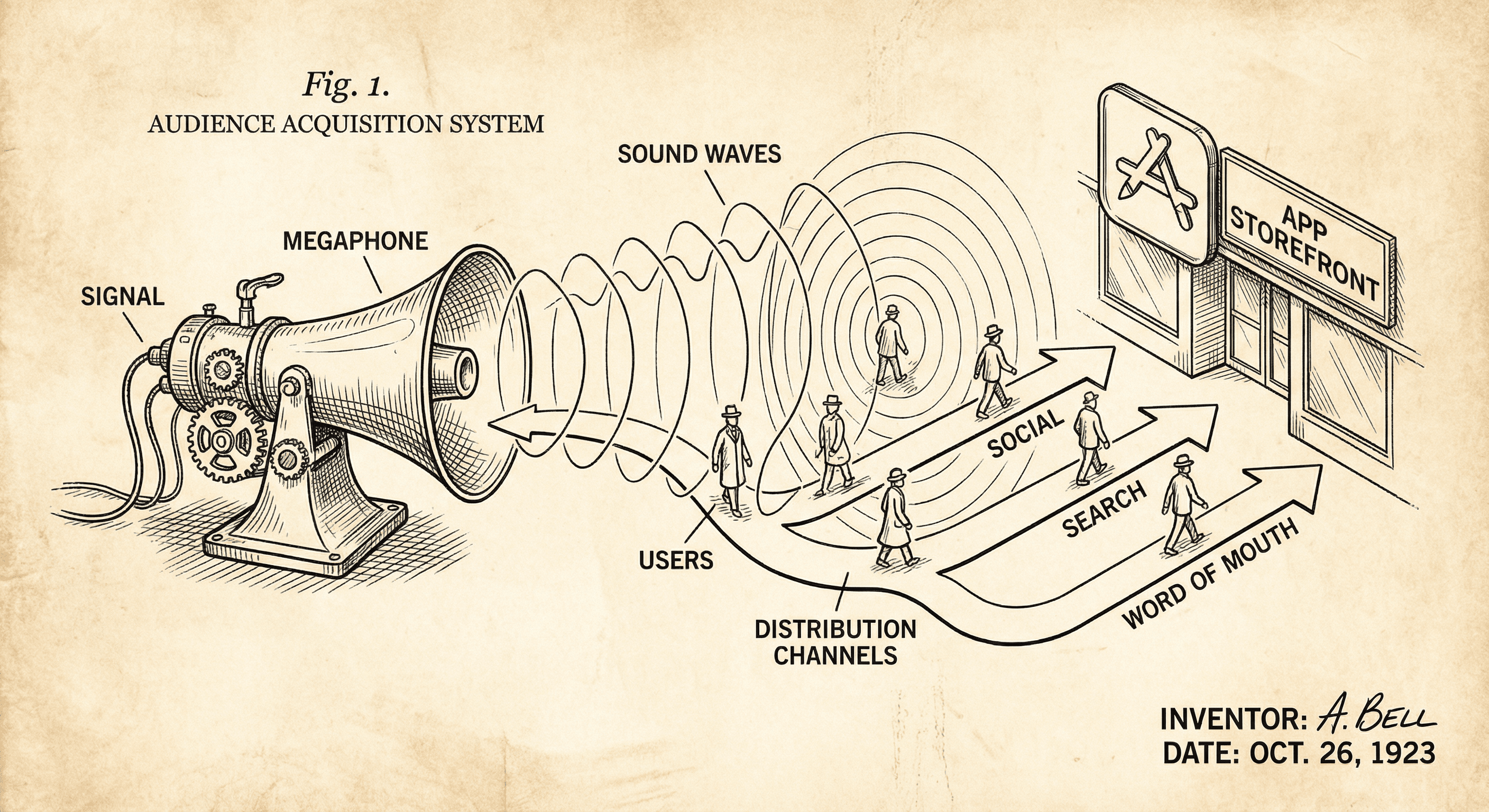
You built something. Now someone has to find it. Practical ways to get your first users when you do not have a budget or a following — and how to learn from them.
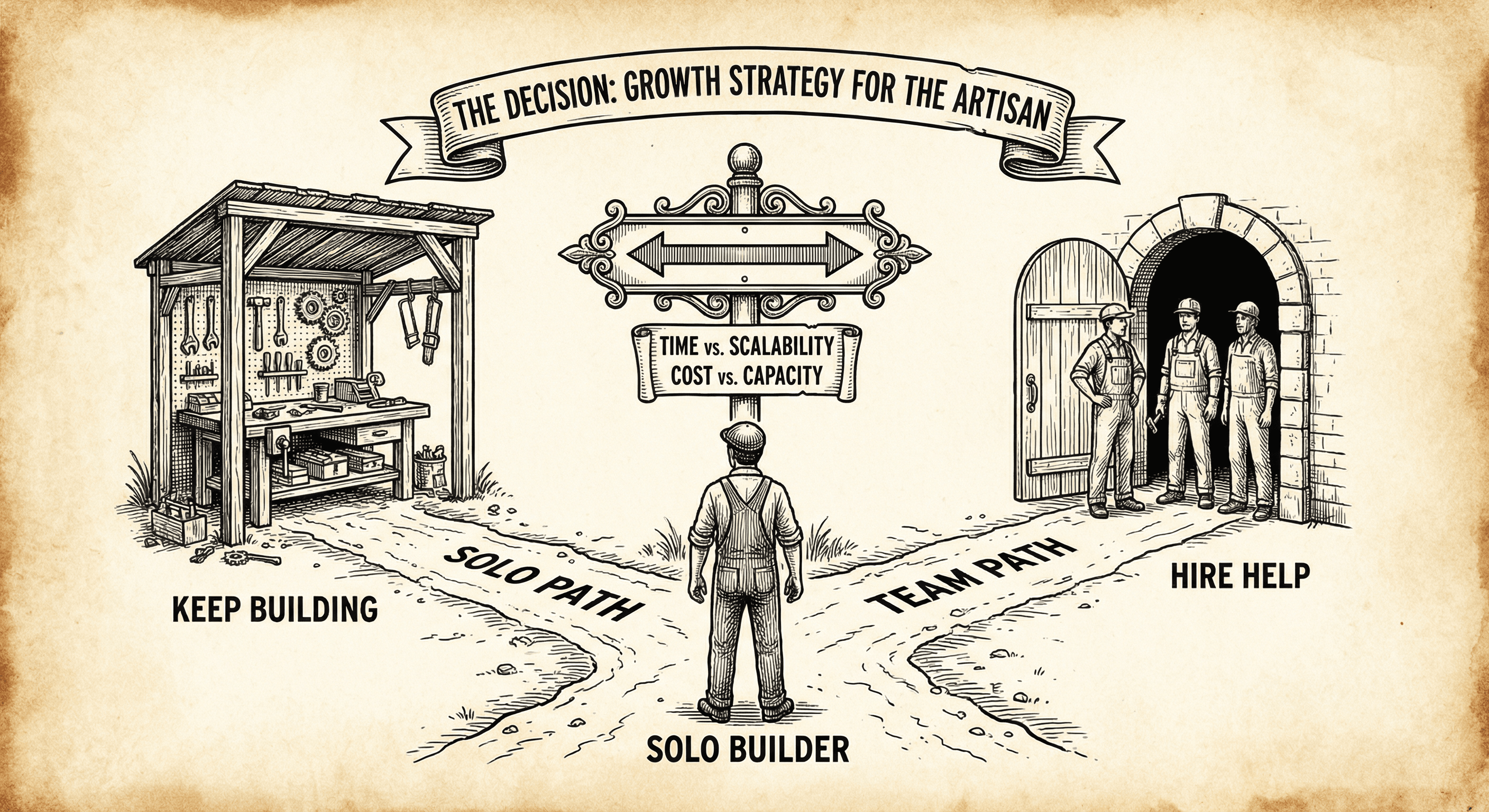
You cannot do everything forever. This guide helps you decide when to bring in a developer, designer, or other help — and when to keep building yourself.
