Skipping validation, building in isolation, and chasing perfection too early. Here are the mistakes that stall most first products — and what to do instead.
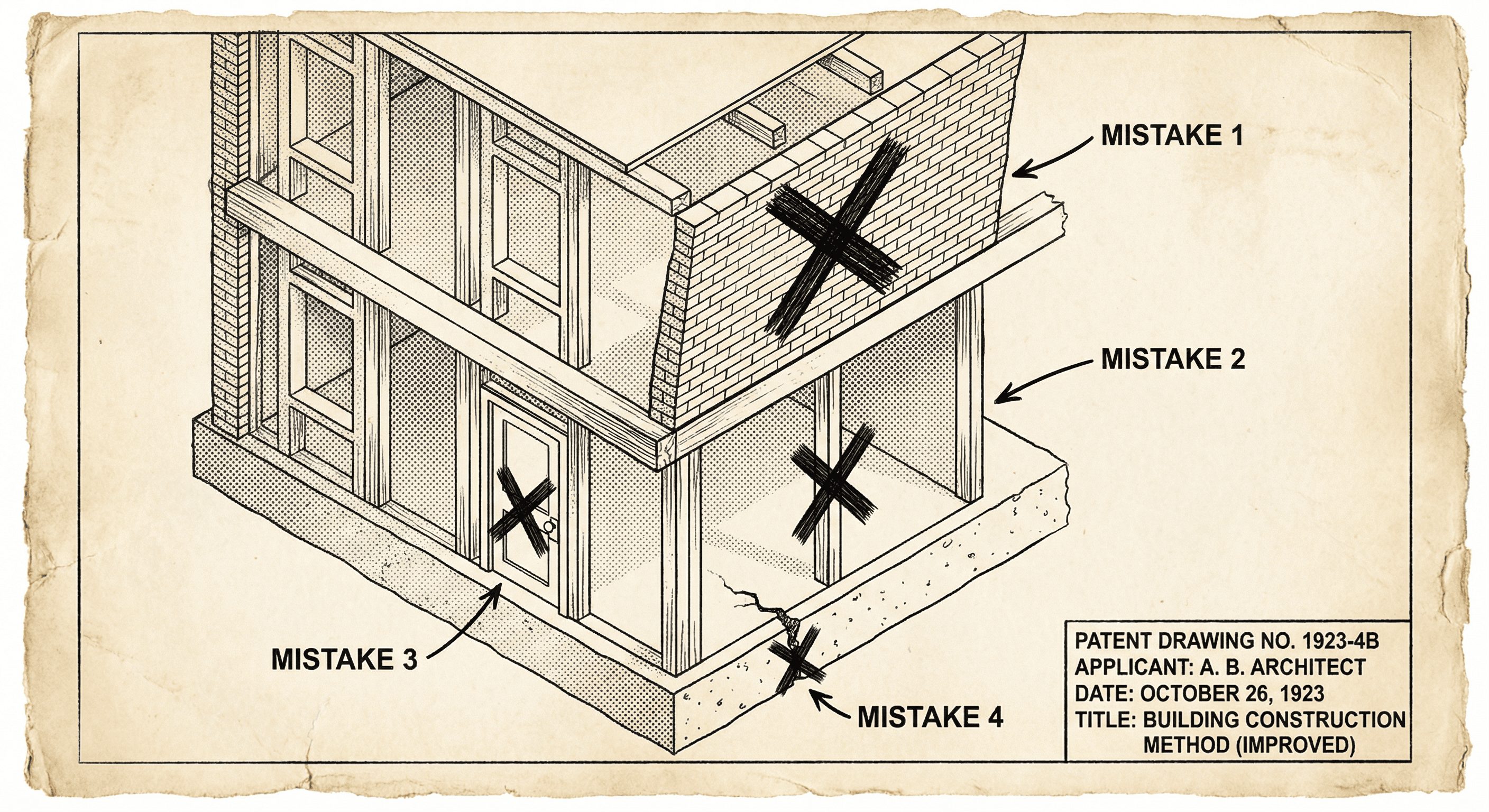
First-time builders — including vibe coders and non-developers — often hit the same walls. The product feels almost done but never ships, or it ships and then breaks under real use. The good news: these mistakes are predictable, and you can avoid most of them by adjusting how you work.
Here are the most common ones and what to do instead.
You have an idea. You love it. You spend months building it. When you finally show it to people, no one cares — or they want something different.
What to do instead: Validate before you build in depth. Talk to people who have the problem you are solving. See if they would use a solution. Share a simple version or a clear description and get feedback. You do not need a full product to learn whether the idea is worth building. A template plus one core flow can be enough to test demand.
You want it to be "ready" before anyone sees it. So you keep adding features and polishing. Months go by. When you finally launch, you have built something that may not match what people actually need.
What to do instead: Get something in front of users early. It can be rough. It can be a single flow. The goal is to learn. Real usage and feedback beat assumptions. Ship a small, focused version and iterate based on what people do and say.
Your form works when the user enters perfect data. Your app works when the network is fast and nothing fails. Real users submit empty fields, paste huge text, lose connection, or hit the back button at the wrong time.
What to do instead: Think about what happens when things go wrong. Add server-side validation (e.g., with Zod). Show clear error messages. Handle loading and failure states. A template that enforces validation and error handling helps; on top of that, add the checks that are specific to your flows.
You keep adding "one more thing" — another setting, another integration, another page. The product never feels finished because the scope never stops growing.
What to do instead: Define a minimal scope for v1. Write it down: "In the first version, users can do X and Y. We are not doing Z yet." Cut everything that is not essential to the core value. You can add more after you have real users and feedback.
You skip server-side validation, proper auth checks, or env-based secrets because you are "only testing." Then you forget to add them, or you deploy with test keys and open endpoints.
What to do instead: Treat security and validation as part of the product from the start. Use a template that already has auth, validation, and env handling. Do not leave "we will fix it before launch" for later — it often never happens.
You build auth, payments, and deployment from scratch because you want to "understand everything" or "keep it simple." You spend months on problems that a good template solves in a day.
What to do instead: Use a production-ready template for the standard parts (auth, payments, env, deployment). Put your energy into the logic and flows that are unique to your product. You will learn plenty by customizing and extending, without the risk of getting security or infra wrong.
You want the UI to be pixel-perfect or the code to be "clean" before anyone uses it. So you refactor and redesign instead of shipping.
What to do instead: Good enough is good enough for v1. Make it functional, clear, and correct. Launch, get users, and improve based on real feedback. Polish and refactors can follow once you know the product is worth keeping.
You do not define what "launch" means. So you keep working and never actually go live.
What to do instead: Set a concrete goal for the first version: "Users can sign up, do X, and pay." When that works and is deployed, you have launched. You can then iterate in the open.
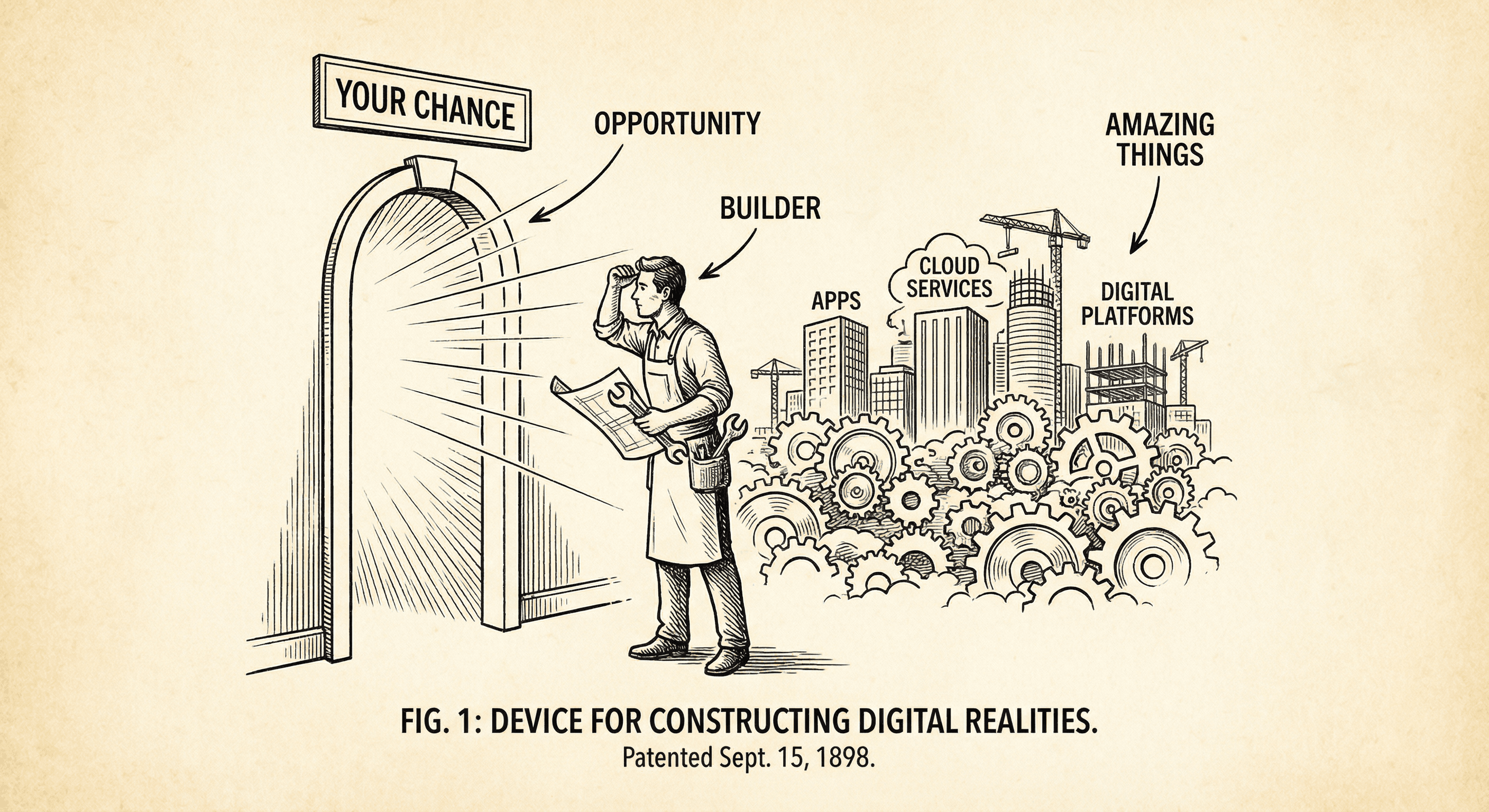
It is not too crowded. Most people will never ship. If you are willing to build, you are already in a small group. Here is why that is an opportunity, not a threat.
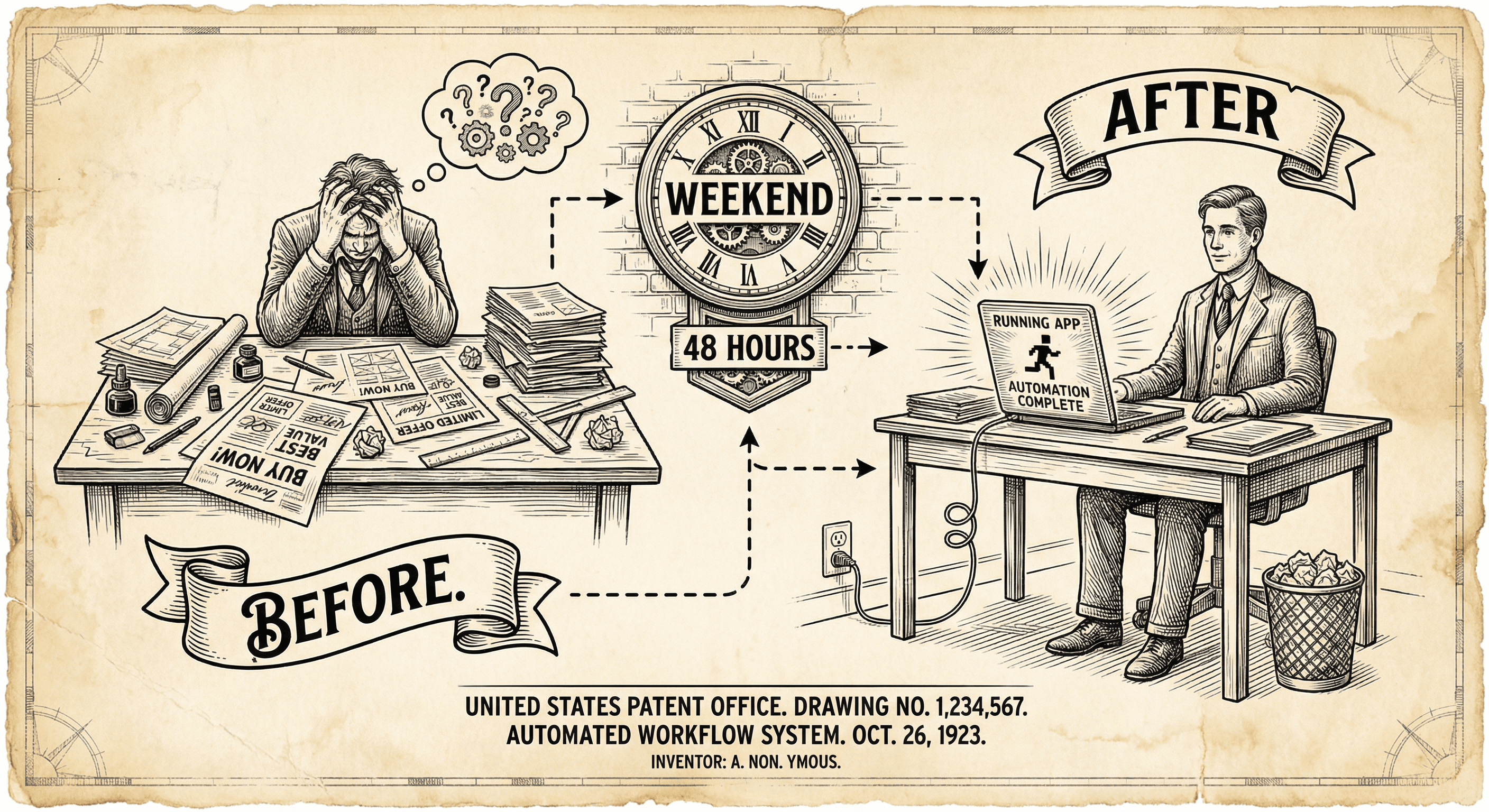
You are used to campaigns, clients, and deadlines. You can use that same energy to ship something of your own. Here is a realistic path from ad life to a live app in a weekend.
